Phishing 101: Spotting Fake Emails Before They Catch You


Understanding Phishing: A Modern Threat
Phishing is a type of cybercrime where attackers impersonate legitimate entities to extract sensitive information from users. This can include passwords, credit card numbers, or other personal details. Despite being a long-standing threat, phishing continues to evolve, becoming more sophisticated and harder to detect.
Identifying Fake Emails
Spotting fake emails is the first step in protecting yourself from phishing attacks. Phishing emails often mimic the appearance of legitimate companies, but there are usually subtle signs that can give them away.
Check the Sender’s Email Address
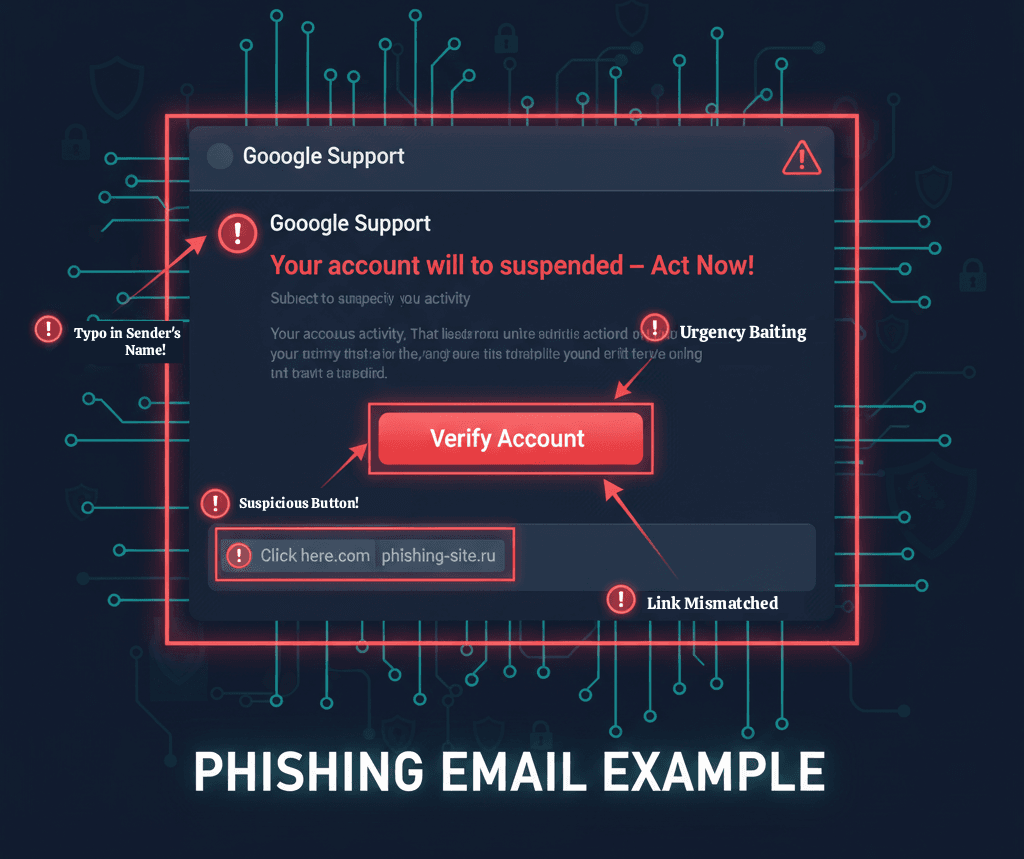
One of the easiest ways to identify a phishing email is by checking the sender's email address. Often, scammers will use addresses that look similar to those of genuine companies but may contain slight misspellings or additional characters. Always look carefully at the domain name.
Look for Suspicious Links
Phishing emails typically contain links that direct you to false websites designed to capture your information. Hover over any links before clicking to see the actual URL. If it looks suspicious or doesn’t match the legitimate website’s domain, avoid clicking on it.
Recognizing Red Flags
Besides checking the sender's details and links, there are other red flags to watch out for in phishing emails.
Poor Grammar and Spelling
Many phishing emails contain spelling mistakes and grammatical errors. Legitimate companies usually have their communications proofread and edited before sending them out, so errors can be a clear indication of a scam.
Urgent or Threatening Language
Phishers often use urgent language to create a sense of panic. Emails threatening account suspension or demanding immediate action should be treated with skepticism. Take a moment to assess the situation before responding.
Protecting Yourself from Phishing Attacks
While spotting fake emails is crucial, taking proactive measures can further help protect you from phishing attempts.
- Use Email Filters: Many email services offer spam filters that can detect and block phishing emails before they reach your inbox.
- Enable Two-Factor Authentication: Adding an extra layer of security can help protect your accounts even if your login details are compromised.
- Stay Informed: Regularly educate yourself on the latest phishing tactics and scams to remain vigilant against new threats.
By staying informed and cautious, you can significantly reduce your risk of falling victim to phishing attacks. Always remember that legitimate organizations will not ask for sensitive information via email, and when in doubt, contact the company directly using verified contact details.