5 Common Misconceptions About Cybersecurity Debunked


Understanding Cybersecurity Myths
In today's digital age, cybersecurity is more crucial than ever. However, several misconceptions persist, leading to vulnerabilities and inadequate protection. This blog post aims to debunk common myths surrounding cybersecurity, helping individuals and businesses make more informed decisions.

Myth 1: Antivirus Software is Enough
Many people believe that having antivirus software is sufficient to protect their systems. While antivirus programs are an essential component of cybersecurity, they are not a complete solution. They primarily protect against known threats, but hackers continually develop new techniques that can bypass these defenses.
To maintain robust security, it's important to adopt a multi-layered approach. This includes keeping your software up-to-date, implementing firewalls, and educating yourself on the latest cyber threats. Regular updates and vigilance are critical in staying ahead of cybercriminals.
Myth 2: Small Businesses Aren't Targets
Another common misconception is that cybercriminals only target large corporations. However, small businesses are often more vulnerable because they may lack the resources for comprehensive security measures. In fact, small businesses can be seen as easy targets due to their often inadequate cybersecurity defenses.

To protect your business, consider investing in cybersecurity training for employees, implementing strong password policies, and using encryption technologies. These steps can help mitigate the risk of an attack.
Myth 3: Strong Passwords Are Unbreakable
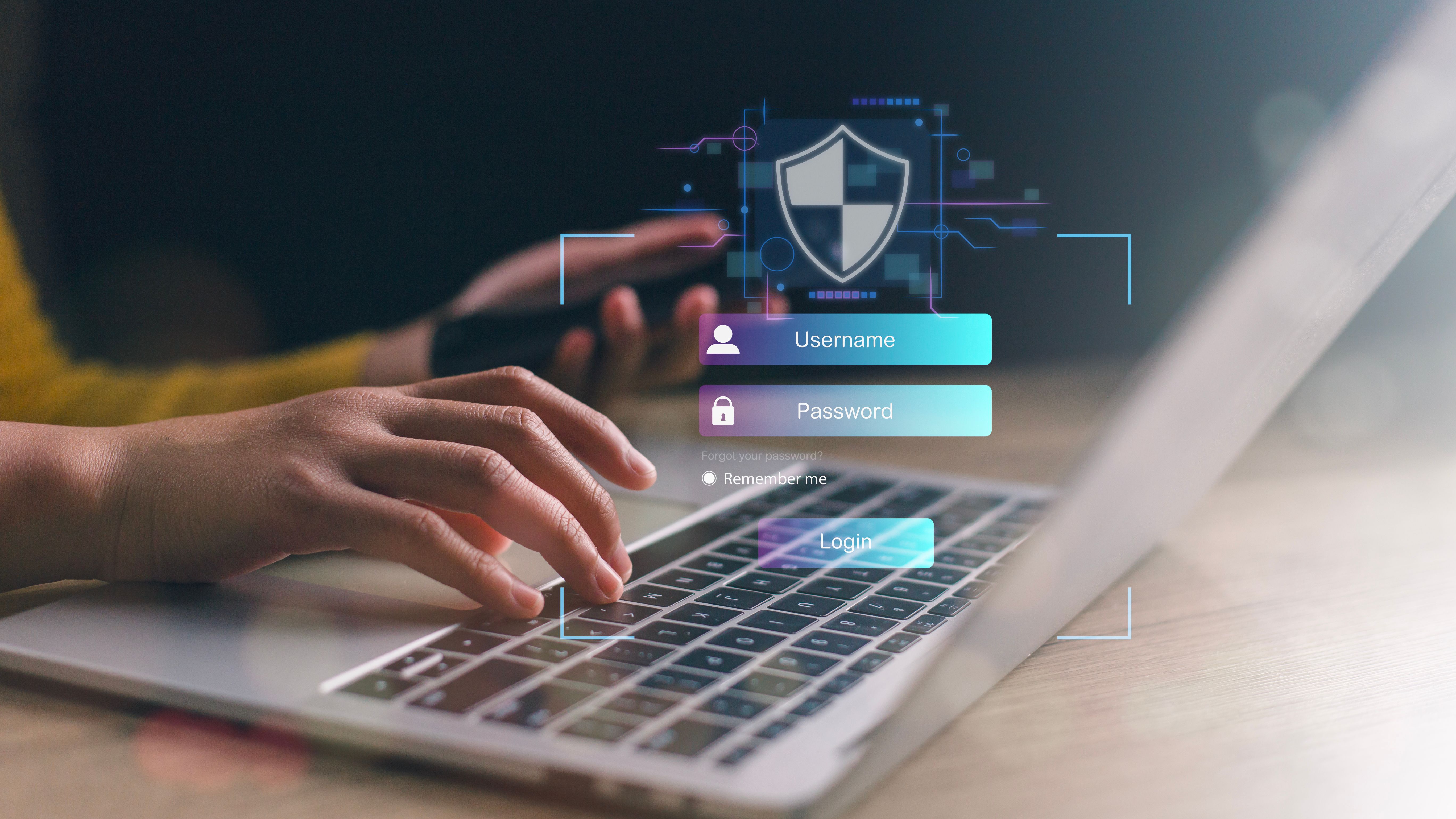
While strong passwords are essential, they are not infallible. Cybercriminals have sophisticated tools that can crack even complex passwords given enough time. Implementing two-factor authentication (2FA) adds an extra layer of security, making it much harder for unauthorized users to access your accounts.
Moreover, using password managers can help you create and store unique passwords for each account, reducing the risk of a security breach if one account is compromised.
Myth 4: Cybersecurity is an IT Problem
It's a common belief that cybersecurity is solely the responsibility of the IT department. However, effective cybersecurity requires a company-wide effort. Every employee plays a role in maintaining security by following best practices and being aware of potential threats.
Regular training sessions for all staff members can foster a culture of security awareness, making it easier to identify and respond to threats promptly.
Myth 5: Cyber Threats Are Always External
While external attacks from hackers are a significant threat, internal threats should not be overlooked. Employees with malicious intent or those who unintentionally compromise security can pose substantial risks. This highlights the importance of monitoring internal activities and establishing clear policies regarding data access and usage.
Implementing measures such as user activity monitoring and regular audits can help detect and prevent potential internal threats before they cause harm.
By debunking these common misconceptions about cybersecurity, individuals and businesses can take more proactive steps in protecting themselves against the ever-evolving landscape of cyber threats. Understanding that cybersecurity is a shared responsibility is key to building a safer digital environment.